Publié le

The Wonders of Catnip: Benefits for Cats and Beyond

The Wonders of Catnip: Benefits for Cats and Beyond

Catnip scientifically known as Nepeta cataria, is a member of the mint family that has captivated the hearts of feline companions for centuries. This aromatic plant is renowned for its ability to elicit euphoric reactions in many cats, making it a beloved addition to pet households worldwide.

What is Catnip?

This plant is a perennial herb native to Europe and Asia, and it has made its way into gardens and homes globally. The catnip plant possesses a unique chemical compound called nepetalactone, primarily found in its leaves and stems. When cats come into contact with this compound, they may experience a range of joyful behaviors.

The Science Behind Catnip Reactions

Not all cats respond to this aromatic plant; the reaction is genetic, with approximately 50-75% of cats showing a sensitivity to the plant. When a sensitive cat inhales or ingests dry catnip, the nepetalactone binds to receptors in their olfactory system, leading to temporary changes in mood, behavior, and energy levels. This reaction typically lasts about 10 to 15 minutes, after which cats may become temporarily desensitized before being able to respond again.

Benefits for Cats

The advantages of incorporating this plant into your feline’s life are numerous. From stimulating play to promoting relaxation, it can enrich a cat’s overall well-being.

  • Encouraging Playfulness and Activity

One of the most noticeable effects of this aromatic plant is the encouragement of playful behavior. Cats exposed to catnip often exhibit increased energy, playfulness, and a desire to engage in physical activities, which can help prevent obesity and stimulate mental agility. Toys filled with dry catnip or sprinkled with this herb can motivate even the most lethargic cats to jump, roll, and chase with fervor.

  • Stress Relief and Relaxation

In addition to promoting play, it can also act as a natural stress reliever. For cats that experience anxiety or fear, especially in unfamiliar environments, exposure to the scent of catnip can help to soothe their nerves. It can provide a calming effect, making it easier for cats to relax and feel safe in their surroundings.

How to Use it

Integrating catnip into your cat’s life can be done in various ways, ensuring that the benefits are easily accessible to your furry friend.

  • Dry as a Playtime Treat

One of the most common forms of catnip is dry, which can be sprinkled on scratching posts, toys, or even blankets to entice your cat. This simple addition can transform ordinary items into exciting playthings. Cats often engage in playful antics, experiencing heightened states of happiness as they roll around and bat at toys infused.

  • Spray, as a easy and usefull way

For a more convenient application, the spray version are an ideal alternative. These liquid version, made from the extract of catnip, can be applied to toys, scratching posts, or even furniture. The spray provides a longer-lasting effect and allows you to easily refresh the scent whenever needed.

  • Growing Your Own Plant

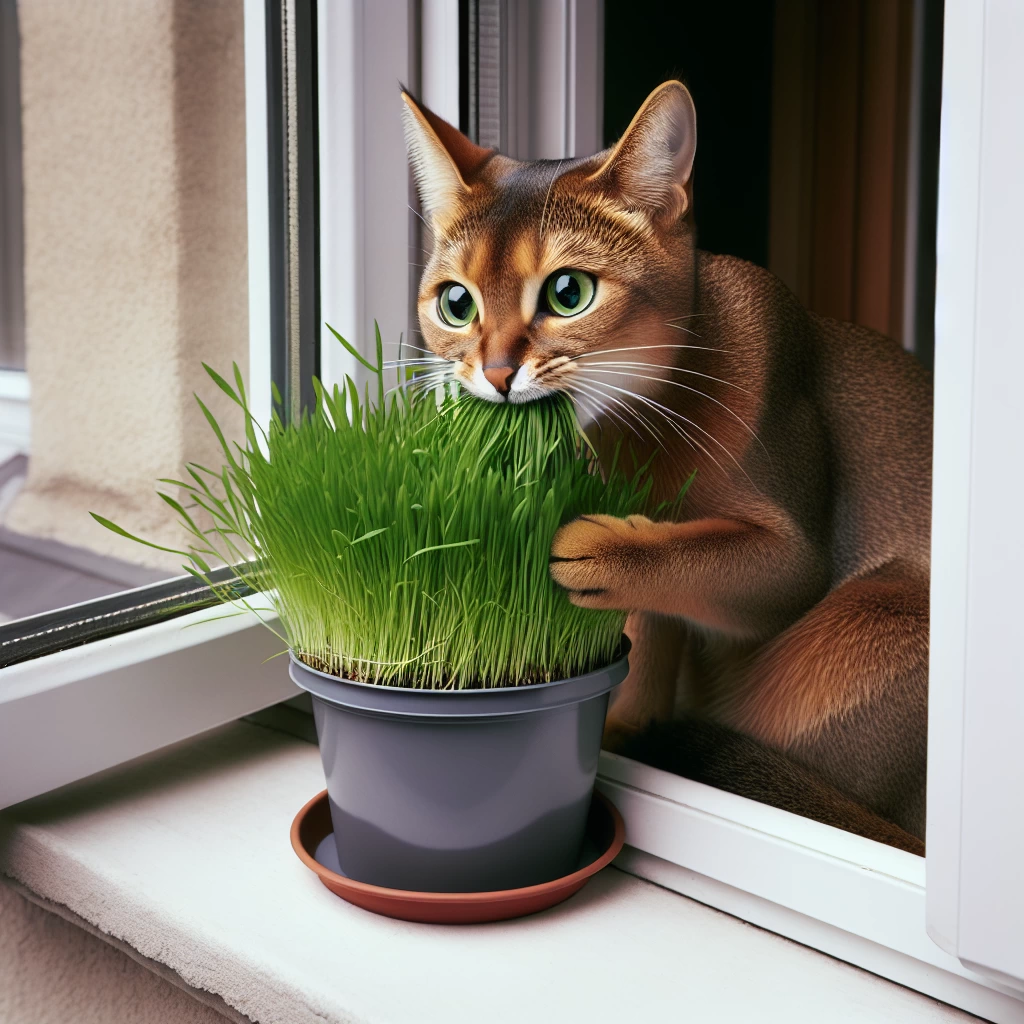
If you’re feeling adventurous, consider growing your own catnip plant! This hardy herb is easy to cultivate in a garden or in pots on a balcony. Here are some tips for ensuring a thriving plant.

Optimal Growing Conditions

This plant prefers well-drained soil and a sunny location, making it an ideal candidate for many home gardeners. It is resilient and can tolerate a range of conditions, though it thrives best with moderate watering and regular pruning. By carefully tending to your plant, you can maintain a constant supply of fresh catnip for your feline friend.

Harvesting and Storing

Once your plant reaches maturity, you can begin harvesting the leaves to use in treats or simply to offer fresh to your cat. Cut the leaves and stems, then allow them to dry in a cool, dark place. Once dried, store your dry catnip in an airtight container to preserve its potency and flavor. This ensures your cat enjoys maximum benefits from the plant.

  • Treats: A Delicious Reward

Another great way to incorporate catnip into your cat’s life is through catnip treats. These treats are not only tasty but can also serve as a functional supplement to your cat’s diet. Many commercial cat treats include that as a flavor enhancer, which can encourage reluctant eaters to indulge. Providing occasional catnip treats can enhance your cat’s overall experience and create positive associations with mealtime.

Safety and Considerations

While catnip is generally safe for cats, there are a few considerations to keep in mind. Most cats can enjoy it without any adverse effects, but moderation is key. Overexposure can lead to temporary gastrointestinal discomfort or hyperactivity. Always monitor your cat’s reactions and adjust their exposure accordingly.

Alternative Options for Non-Responsive Cats

Not every cat reacts, and that is perfectly normal. For those feline friends who don’t respond, various alternatives mimic the effects of catnip. Plants such as silver vine and valerian root can elicit similar reactions, offering new avenues for enrichment and play.

Integrating this aromatic plant into your cat’s life can enhance their happiness and well-being, providing a source of joy that engages both their minds and bodies. With its amusing and beneficial properties, catnip remains a timeless treasure for cats and their owners.
Publié le

Engraved Medals for Dogs and Cats: A Must-Have

Engraved Medals for Dogs and Cats: A Must-Have

The Importance of Identification for Pets

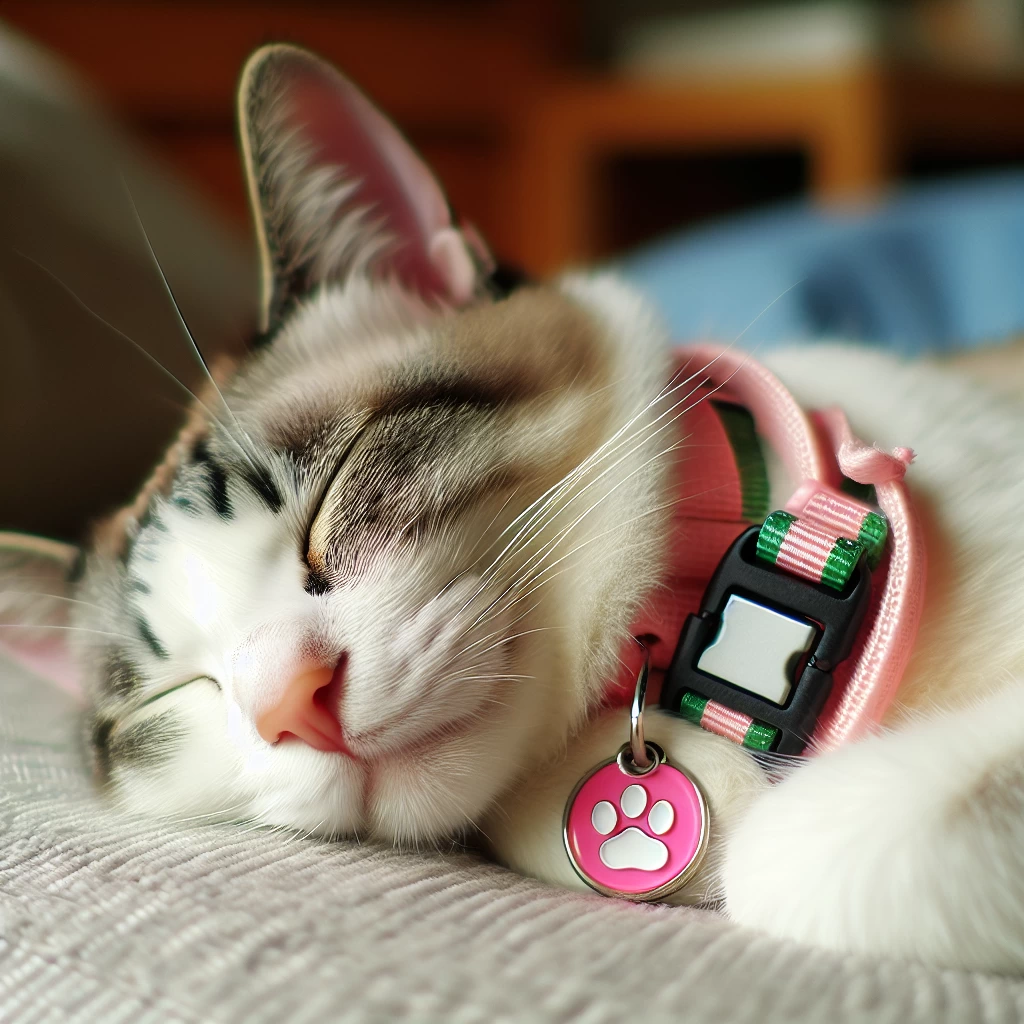
As pet owners, ensuring the safety and well-being of our furry friends is paramount. One of the simplest yet most effective ways to achieve this is through the use of identification tags. Engraved medals for dogs and cats are not just accessories; they are essential tools that can help reunite lost pets with their owners. With a wide variety of shapes and designs available, these medals can be both functional and stylish.

Why Choose Engraved Medals?

Engraved medals serve a critical purpose in pet safety. If a pet happens to wander away from home, having a medal with engraved information significantly increases the chances of them being returned safely. These medals typically include the pet’s name, the owner’s contact information, and sometimes even important medical details. This vital information can be lifesaving.

Encouraging Responsible Pet Ownership

Using engraved medals promotes responsible pet ownership. It encourages pet owners to think about their pets’ safety and health while ensuring that they are prepared in the event of emergencies. Feeling secure in knowing that your pet can be identified easily allows for a stress-free environment for both the pet and the owner. Moreover, by utilizing engraved medals, pet owners contribute to the broader community awareness of the importance of pet identification. As more pets are equipped with identification tags, community members are reminded to be vigilant and caring towards lost pets, fostering a sense of community responsibility.

Customizable Designs

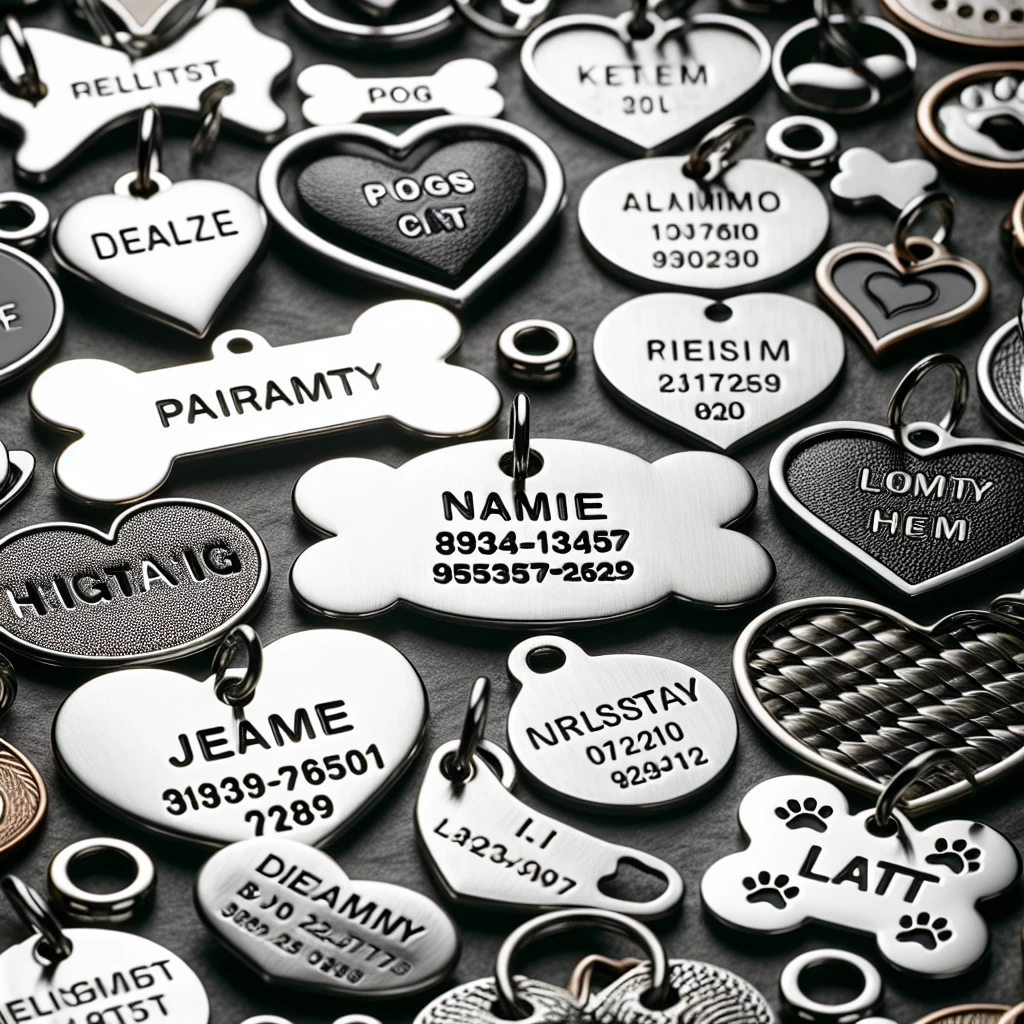
One of the appealing aspects of engraved medals is the ability to customize their design. Pet owners can choose from numerous styles, materials, and shapes, including the popular bone-shaped medal and the heart-shaped medal. Each design offers a unique way to express your pet’s personality, while still serving a practical purpose.

  • Bone-Shaped Medal: A Classic Choice

The bone-shaped medal is an iconic symbol in the world of pet accessories. This design is not only fitting for dogs but for cats as well, appealing to the playful nature of pets. The whimsical nature of the bone shape can add a touch of fun to your pet’s look. Engraving a bone-shaped medal with your pet’s name and your contact details ensures it stands out while also being easily recognizable.

  • Heart-Shaped Medal: A Touch of Love

For those who want to express a deeper affection for their pets, the heart-shaped medal is an excellent choice. This design symbolizes love and companionship, making it a perfect accessory for pets who are cherished members of the family. Engraved heart-shaped medals can carry not just identification details, but also a short message or a phrase that embodies the bond between you and your pet.

Materials and Durability

When choosing an engraved medal, it’s important to consider the material. Medals can be made from various materials, including stainless steel, aluminum, brass, and even acrylic. Stainless steel is a popular option due to its durability and resistance to rust and corrosion. Whichever material you choose, it’s essential to ensure that it can withstand the wear and tear of everyday adventures.

Easy Attachment and Accessibility

Another factor to consider when purchasing an engraved medal is how easily it can be attached to your pet’s collar. Most medals come with a ring or clip that allows for easy attachment. This is crucial for ensuring that the medal remains securely in place during playtime or outdoor activities. A properly attached medal will not only stay visible but also serve its purpose effectively.

Maintenance and Care

To ensure that engraved medals maintain their appearance and legibility, regular maintenance is crucial. Cleaning the medal periodically using a soft cloth can help remove dirt and grime that may accumulate. For metal medals, consider applying a small amount of metal polish to keep them shiny and reflective. Proper care will extend the life of the medal and keep it looking wonderful.

Choosing the Right Size

When selecting an engraved medal for your pet, size matters. It’s essential to choose a medal that is appropriate for your pet’s size and breed. A medal that is too large may be uncomfortable for a small pet, while a very small medal might be difficult to read from a distance. Finding the perfect size ensures that your pet remains comfortable while also being identifiable.

Incorporating Engraved Medals in Pet Products

Alongside their primary use as identification tools, engraved medals can be stylish enhancements to collars and harnesses. Many pet owners enjoy coordinating their pet’s outfit with their medals, creating a cohesive look. This has become a trend in the pet accessories market, leading to a range of fashionable items that showcase the pet’s engraved medal beautifully.

The Emotional Connection of Medals

Engraved medals can also represent more than just identification; they can serve as a reminder of the special bond shared between pets and their owners. Many pet parents cherish their pets deeply, and these medals can act as a token of that affection. In this way, even a simple engraved medal can hold sentimental value.

Engraved Medals as Gifts

Engraved medals also make wonderful gifts for fellow pet lovers. Whether for a birthday, a holiday, or just because, a personalized medal can be a thoughtful gesture. Customizable options mean that it’s easy to select a shape and engraving that suits the recipient’s pet, making it a personalized and meaningful gift.

Publié le

Why Use Pet Thinning Scissors for Grooming

Why Use Pet Thinning Scissors for Grooming

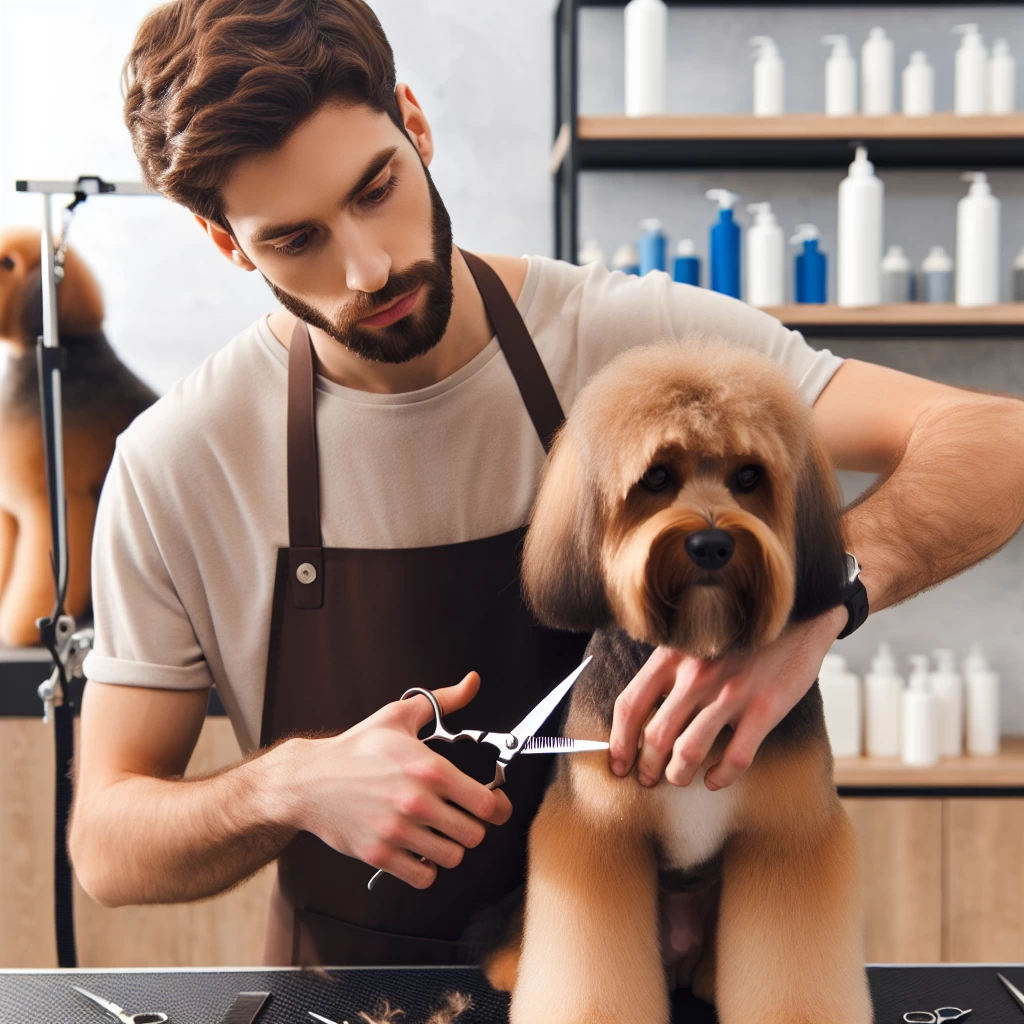
Pet thinning scissors are specialized grooming tools designed to help dog and cat owners maintain their pets’ coats effectively. These scissors feature unique blade designs that enable them to remove bulk from the fur without drastically shortening it. This capability is crucial for achieving a balanced and well-groomed appearance in pets, especially for those with thick or curly hair. By using thinning scissors, groomers can enhance the overall look of a pet’s coat while ensuring the comfort of the animal.

The Benefits of Using Thinning Scissors

One of the primary advantages of using pet thinning scissors is their ability to create a natural, blended look. Traditional scissors can create blunt cuts that may appear uneven and unattractive. In contrast, thinning scissors utilize a combination of cutting and blending motions that soften the edges and enhance the texture of the coat. This is particularly beneficial for breeds with long or shaggy fur, where a more tailored finish can help avoid the « chopped » appearance often associated with basic grooming tools.

Improved Comfort for Your Pet

Grooming can be a stressful experience for many pets. By using thinning scissors, owners can reduce the amount of hair removed in a single pass. This gentler approach can ease the grooming experience for pets, making them feel less anxious and more comfortable. Moreover, the fine-tuning of the coat with thinning scissors reduces the risk of uneven patches that can lead to irritation or discomfort.

For pets with thick or dense fur, thinning scissors can significantly reduce the weight of the coat. This not only makes it easier for the pet to move around but also helps them stay cool during warmer months. Less bulk means better air circulation and a happier, more comfortable pet.

Versatility in Grooming

Pet thinning scissors come in various styles, catering to different grooming needs. Whether you are dealing with a long-haired breed or a dog with a short coat, using the right type of slimmer is essential. Owners can choose between short slimming scissors and long slimming scissors, depending on their grooming preferences and the specific requirements of their pets. Understanding the differences between these tools allows for better grooming results.

Different Types of Slimmer Scissors

When it comes to pet thinning scissors, there are two main types to consider: short slimming scissors and long slimming scissors. Each type serves unique purposes and can be beneficial in different grooming situations.

  • Short Thinning Scissors

Short slimming scissors are perfect for detailed work and precision cutting. Their compact design allows for greater control, making them ideal for sensitive areas such as around the face, ears, and paws. Groomers often prefer short thinning scissors for areas that require meticulous attention and where a gentle touch is crucial. The short blades allow for more precise cuts, ensuring that the pet’s fur retains a natural look while removing excess bulk. Additionally, these scissors are useful for finishing touches after using other grooming tools.

  • Long Thinning Scissors

On the other hand, long slimming scissors are designed for larger areas and overall coat maintenance. These scissors are advantageous when working with pets who have a lot of hair, as they can rapidly thin out large sections without needing to make multiple passes. Long thinning scissors can effectively reduce volume in a single motion, which is an enormous time-saver during the grooming process. This type of slimmer is especially beneficial for breeds with thick and fluffy coats, where bulk removal is necessary to maintain a healthy appearance.

Choosing the Right Thinning Scissors

When selecting thinning scissors, consider factors like the size of your pet, the thickness of their coat, and the specific areas you will be working on. Selecting the appropriate tool ensures that grooming is efficient and effective. Always look for quality scissors made from durable materials that can withstand regular use. Those with ergonomic designs can also offer comfort and reduce hand fatigue during extended grooming sessions.

Maintenance and Care for Thinning Scissors

Caring for your scissors is vital to maintaining their functionality and longevity. Regular cleaning after each use prevents hair buildup and ensures that the blades stay sharp. Lubricating the joints also helps keep the scissors moving smoothly, reducing the risk of wear and tear. When not in use, storing the scissors in a protective case can further enhance their lifespan and performance.

How to Use Pet Thinning Scissors Effectively

Using this type of scissors effectively requires a bit of technique to achieve the best results. Start by brushing your pet’s coat to remove tangles and debris. This step makes it easier to see where thinning is needed. When using short thinning scissors, work slowly and carefully around delicate areas, gently lifting sections of fur to remove bulk. For long thinning scissors, use smooth, even strokes to create a blended look in larger areas. Always keep in mind the direction of hair growth, as cutting against this can lead to an uneven finish.

Best Practices for Grooming with Thinning Scissors

Training and experience play pivotal roles in mastering the use of pet scissors. While some grooming techniques may seem straightforward, practicing on non-pedigree pets can build confidence before tackling specialized breeds. Additionally, watching instructional videos or attending grooming workshops can provide valuable insights into effective techniques. Many groomers find that these tools become an essential part of their grooming kit, allowing for flexibility and creativity when styling pets.

Ensuring Safety During Grooming

Safety is paramount when grooming pets with scissors. Ensure that your pet is comfortable and calm before beginning. Having someone help to hold the pet can prevent sudden movements that could lead to accidental cuts. Always have scissors specifically designed for pets, as human scissors may not have the same protective features and can pose safety risks for both the groomer and the pet.

Grooming Frequency and Maintenance

The frequency of grooming with scissors will vary depending on the breed and coat type of your pet. Long-haired breeds may require more regular thinning sessions compared to short-haired breeds. Establish a grooming schedule that suits your pet’s needs and stick to it for optimal coat health. Regular maintenance not only enhances appearance but can also contribute to the overall health and comfort of your pet.

Publié le

Dog Training Treat Bag, The Key To An Obedient Pet

Dog Training Treat Bag, The Key To An Obedient Pet

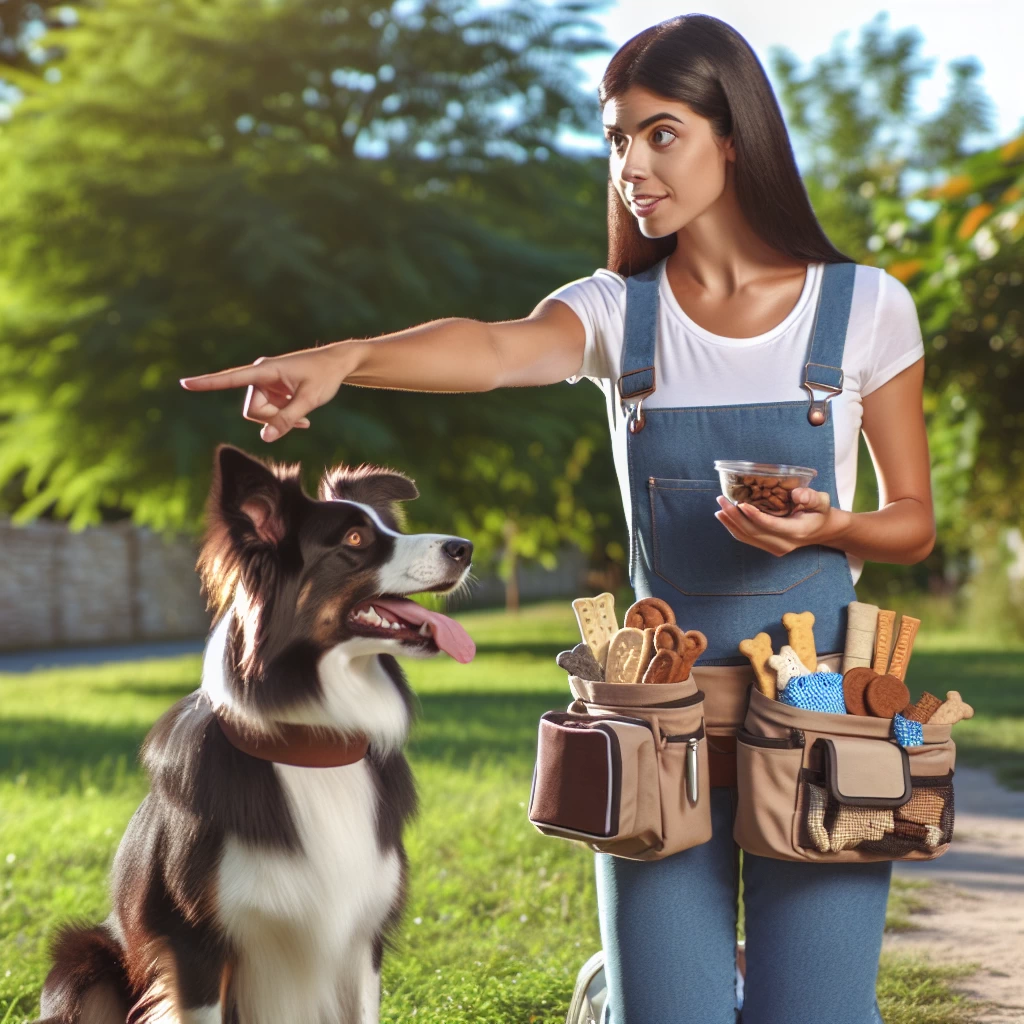
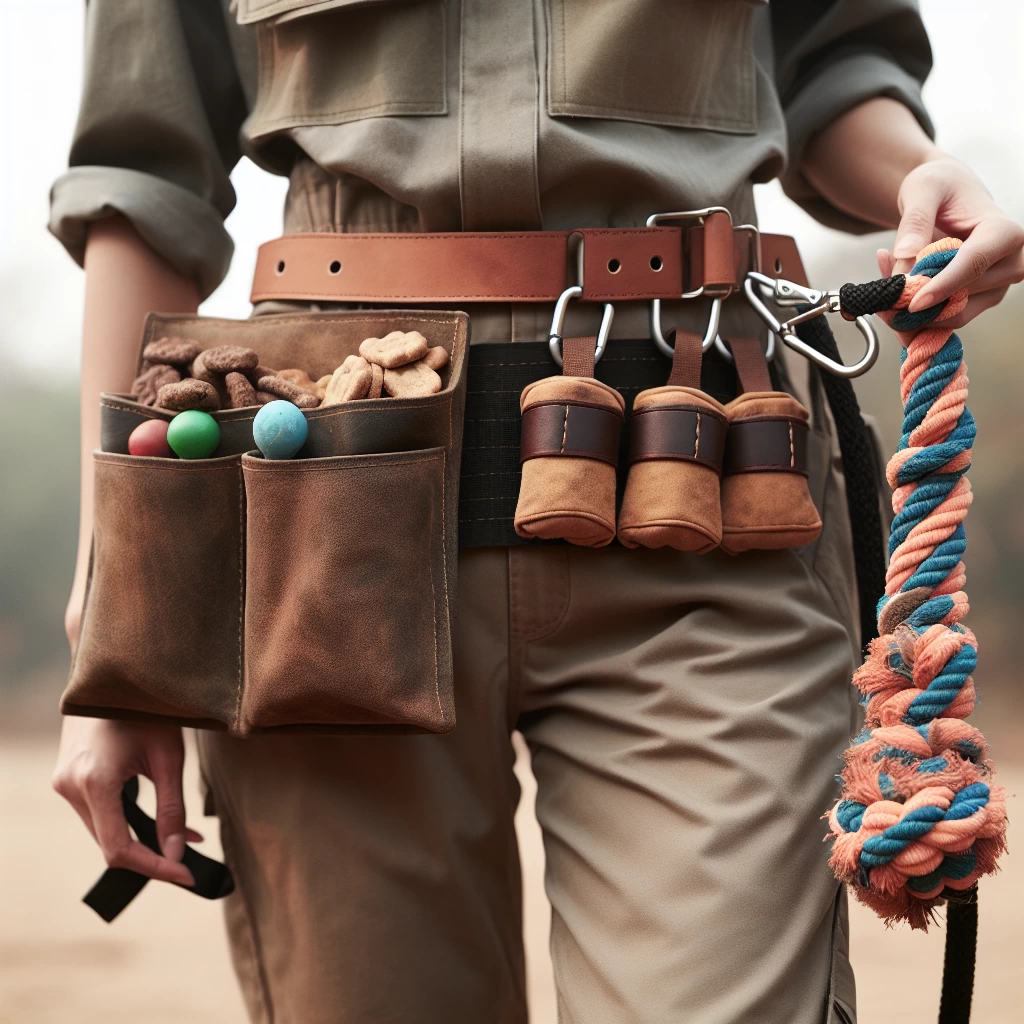
Dog training treat bag are essential tools for pet owners and trainers who want to facilitate the training process. With various options available, choosing the right style can significantly impact the effectiveness of training sessions. Two popular designs are the shoulder training bag and the waist training bag, each offering unique benefits that cater to different training methods and personal preferences.

Treat Bags: A Training Essential

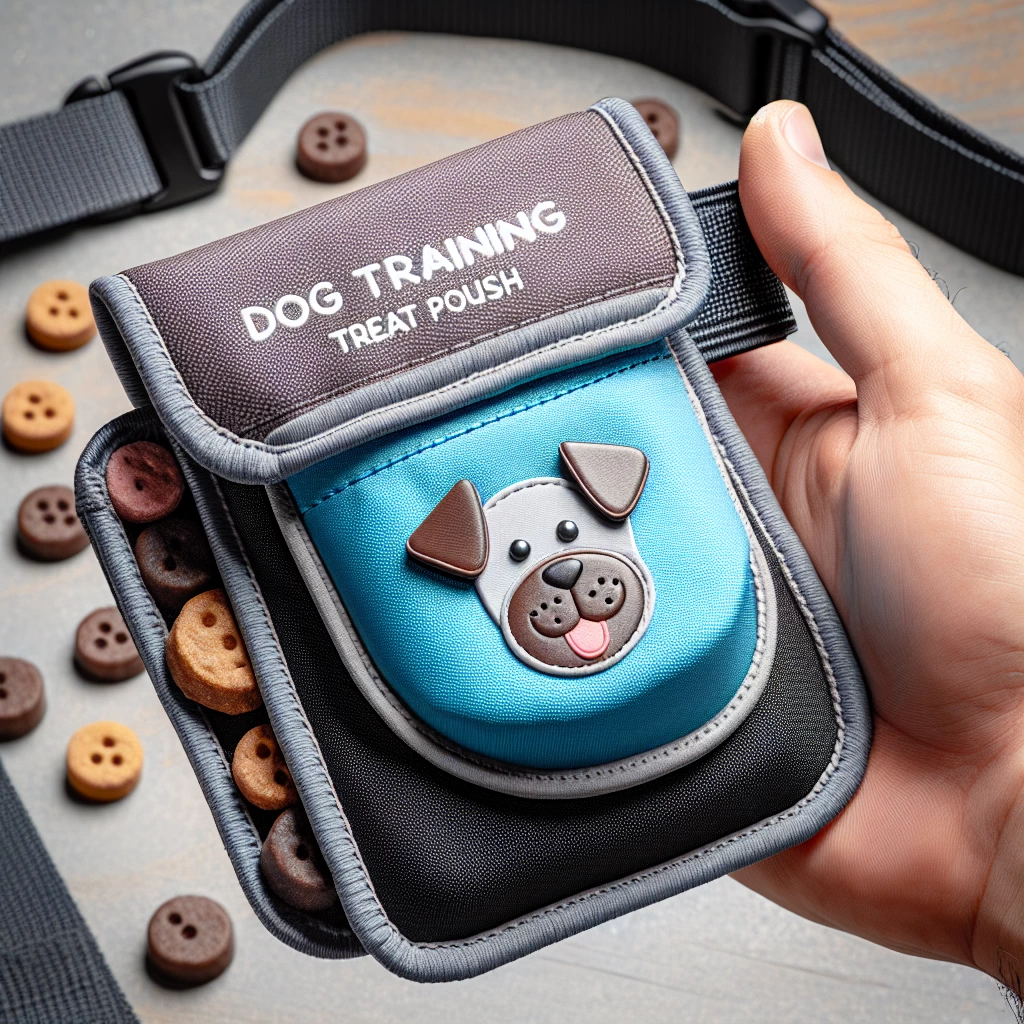
Treat bags are specialized containers designed to hold dog treats for training purposes. These dog training treat bag can either be standalone or integrated into shoulder or waist training bags. Their primary function is to keep treats accessible and fresh during training sessions. However, their design and features vary, which can affect their usefulness to trainers.

Material and Durability

High-quality treat bags are made from durable materials, ensuring they can withstand the rigors of outdoor training and everyday use. Some models feature water-resistant fabrics and zippers, protecting treats from moisture and dirt. The durability of a treat bag can significantly influence its lifespan, making it a worthwhile investment for regular trainers.

Interactive Features

Many dog training treat bag come equipped with interactive features, such as clickers or pockets for toys, which enhance the training experience. Some even include reflective materials for better visibility during evening walks. These added features can make a significant difference in training effectiveness, as they allow trainers to multitask while focusing on the dog’s behavior.

Choosing the Right Bag for Your Needs

When selecting a dog training bag, consider various factors, including the training style, the frequency of training sessions, and personal comfort. Each type of bag has its advantages, and determining the most suitable option can enhance the overall training experience. If you frequently train in various settings, a shoulder training bag may offer the versatility you need. However, if you prefer more mobility while training, a waist training bag could be the better choice.

Personal Preference and Training Style

The choice between a shoulder training bag and a waist training bag often comes down to personal preference and training style. For instance, trainers focused on agility and movement may gravitate toward a waist pack due to its hands-free convenience. In contrast, those who prefer a slower pace or more diverse supplies may opt for a shoulder bag that easily accommodates toys, treats, and training aids.

The Shoulder Training Bag: Convenience and Versatility

The shoulder training bag is designed for comfort and ample storage. This style allows trainers to have easy access to treats, toys, and training supplies while keeping their hands free. The adjustable strap ensures a snug fit, allowing for smooth movement during training exercises. Trainers can easily reach into the main compartment to grab treats for positive reinforcement or toys to encourage the dog.

  • Storage Space and Organization

One of the most significant advantages of a shoulder training bag is its spacious interior. Multiple pockets allow trainers to organize various items efficiently. You can carry not only dog treats but also clickers, leashes, and waste bags, making training sessions more effective. Staying organized helps trainers to minimize distractions and maximize the time spent training.

  • Comfort and Accessibility

The design of shoulder training bags makes them particularly comfortable during long training sessions. The strap’s design distributes weight evenly, helping to alleviate any strain on the shoulders. Additionally, trainers can access supplies without interrupting their training flow. This immediate accessibility is particularly beneficial during classes or socialization sessions where quick responses are vital.

The Waist Training Bag: Hands-Free Convenience

For trainers who prefer a more compact option, the waist training bag is ideal. This style is worn around the waist, allowing for hands-free training. It’s especially useful for those who need to maintain a close connection with their dog while engaging in hands-on training. The waist bag provides easy access to treats and tools right at the trainer’s fingertips.

  • Ideal for Active Training Sessions

The waist training treat bag excels in situations that require active involvement. For example, during agility training or fetch games, trainers can keep their hands free for guiding their dogs while still being able to reward them instantly. The quick accessibility of treats and tools from the waist bag significantly encourages positive reinforcement, which reinforces desired behaviors effectively.

  • Compact and Lightweight Design

The lightweight nature of waist training bags makes them easy to wear for extended periods. They often come with adjustable straps for a comfortable fit that suits different body types. This compact design allows trainers to move freely without feeling weighed down by bulky equipment. As a result, it aligns well with an active lifestyle, making it easier to incorporate training into walks or hikes.

Key Features to Look For

Regardless of the type of bag you choose, certain key features can enhance functionality. Look for dog training treat bag with adjustable and padded straps for comfort, multiple compartments for organization, and easy-to-clean materials to maintain hygiene. Additionally, a bag with reinforced seams and high-quality zippers will ensure that it can withstand daily use and the outdoor elements.

Customization Options

Many brands also offer customization options for their training bags. From color choices to personalization, trainers can select options that reflect their style. Some bags even allow for custom patches or embroidery, which can add a personal touch to your training gear. Customization not only enhances aesthetic appeal but also allows trainers to express their individuality.

Enhancing Training Sessions

A well-equipped dog training treat bag can significantly enhance the quality and efficiency of training sessions. By having all necessary tools easily accessible, trainers can focus more on interacting with their dogs rather than rummaging through pockets or bags. This streamlined approach fosters better communication and strengthens the bond between the dog and trainer.

Incorporating Tools and Treats

Utilizing a training bag enables trainers to incorporate various tools and treats seamlessly. For example, when introducing a new command, trainers can reward their dogs instantly with treats, helping to reinforce positive behavior. The integration of toys can also provide mental stimulation, which is crucial for a dog’s development and happiness.

The Importance of Preparation

Ultimately, a training treat bag serves as an essential companion for trainers who want to optimize their sessions. With the right bag—be it a shoulder training bag, a waist training bag, or a dedicated treat bag—trainers can be more prepared, organized, and effective in their training routines. The value of a well-structured training process cannot be overstated, as it greatly benefits both the trainer and the dog.

Publié le

Un bol adapté pour son animal, comment choisir ?

Types et matériaux de bols pour chiens et chats

Choisir le bon bol pour votre chien ou votre chat est essentiel pour assurer leur bien-être. Les bols ne sont pas seulement des récipients pour la nourriture et l’eau ; ils peuvent également influencer la santé de votre animal. Avec la variété de modèles et de matériaux disponibles, il peut être difficile de décider lequel convient le mieux à votre compagnon à quatre pattes. Cet article explore les différents types de bols, les matériaux utilisés, et propose quelques conseils pratiques.

Les différents types de bols pour animaux

  • Bols classiques

Les bols classiques sont souvent en acier inoxydable, en céramique ou en plastique. Ce sont les modèles les plus courants que l’on trouve dans la plupart des foyers avec des animaux. Ils sont disponibles dans différents designs et tailles, adaptés aux besoins de différentes races et tailles d’animaux. Les bols en inox sont particulièrement appréciés pour leur durabilité et leur facilité de nettoyage.

  • Bols anti-gourmands

Les bols anti-gourmands sont conçus pour ralentir la consommation des animaux qui mangent trop rapidement. Ces bols sont dotés de picots ou de formes spécifiques qui empêchent les animaux d’avaliser leur nourriture en une seule fois. Ce type de bol peut être particulièrement bénéfique pour les chiens sujets à des problèmes digestifs ou à l’obésité.

  • Bols suspendus

Les bols suspendus peuvent être fixés à un support, permettant à votre animal de manger à une hauteur confortable. Cela peut aider à réduire les tensions sur le cou et les articulations des animaux plus âgés ou de grande taille. Ces bols sont souvent en acier inoxydable ou en céramique, offrant une solution élégante et pratique pour les maisons modernes.

  • Bols à eau et fontaines

L’hydratation est cruciale pour la santé des animaux. Les bols à eau traditionnels fonctionnent, mais de plus en plus de propriétaires choisissent des fontaines à eau. Ces équipements maintiennent l’eau en mouvement, ce qui encourage les animaux à s’hydrater davantage. Les fontaines peuvent également filtrer l’eau, la rendant plus fraîche et plus appétissante pour votre compagnon.

Les matériaux couramment utilisés

Acier inoxydable

L’acier inoxydable est l’un des matériaux les plus recommandés pour les bols d’animaux. Il est non seulement durable et résistant à la rouille, mais il est aussi facile à nettoyer. De plus, l’inox ne retient pas les bactéries et ne change pas le goût de la nourriture ou de l’eau. Ce matériau est parfait pour les animaux qui ont tendance à gratter ou à mordre leurs bols, car il résiste aux dommages.

Céramique

Les bols en céramique sont souvent ornés de motifs colorés et sont une option esthétique pour de nombreux propriétaires. Ils sont lourds, ce qui les empêche de glisser ou de basculer pendant que votre animal mange. Cependant, les bols en céramique doivent être manipulés avec précaution, car ils peuvent se casser s’ils sont tombés. Il est également important de s’assurer qu’ils soient correctement émaillés pour éviter toute absorption d’humidité.

Plastique

Les bols en plastique sont légers et peu coûteux, mais ils ont certains inconvénients. Ils peuvent se rayer facilement, ce qui peut entraîner une accumulation de bactéries dans les crevasses. De plus, certains animaux peuvent développer des allergies ou des sensibilités au plastique, ce qui rend ces bols moins souhaitables. Il est essentiel d’opter pour des plastiques de qualité alimentaire pour garantir la sécurité de votre animal.

Critères de choix pour vos animaux

Facilité de nettoyage

Lorsque vous choisissez un bol, il est crucial de considérer la facilité de nettoyage. Les bols en inox et en céramique sont généralement plus faciles à entretenir que ceux en plastique. Un bol qui se démonte pour un nettoyage en profondeur ou qui passe au lave-vaisselle est également un excellent choix pour les propriétaires occupés.

Stabilité et taille

La stabilité du bol est un critère important, surtout pour les animaux qui mangent ou boivent de manière dynamique. Il est recommandé de choisir des bols lourds ou ceux dotés d’un revêtement antidérapant, afin d’éviter qu’ils ne glissent sur le sol. La taille du bol doit également correspondre aux besoins nutritionnels de votre animal. Un trop petit bol peut forcer votre animal à manger plus souvent, tandis qu’un bol trop grand peut entraîner du gaspillage.

Préférences de votre animal

Chaque animal a ses propres préférences quand il s’agit de manger et de boire. Certains chiens ou chats peuvent avoir des habitudes d’alimentation uniques, et il est crucial de les observer pour choisir le bon bol. Par exemple, un animal qui préfère boire dans des bols larges et peu profonds pourra être plus à l’aise qu’un animal qui aime l’eau fraîche d’une fontaine. Observez le comportement de votre compagnon pour faire le meilleur choix.

Innovations et tendances actuelles

  • Bols intelligents et connectés

Avec l’évolution de la technologie, certains bols pour animaux sont désormais équipés de fonctionnalités avancées. Des bols intelligents peuvent vous alerter lorsque votre animal a mangé ou bu, ou même vous permettre de contrôler la quantité de nourriture distribuée. Ces innovations sont particulièrement utiles pour les propriétaires qui cherchent à surveiller le régime alimentaire de leurs animaux.

  • Bols en matériaux écologiques

De plus en plus de propriétaires d’animaux se tournent vers des options écologiques. Les bols fabriqués à partir de matériaux recyclés ou durables connaissent une popularité croissante. Ces produits respectueux de l’environnement permettent de répondre aux préoccupations concernant l’impact environnemental tout en offrant une solution pratique pour nourrir vos animaux.

Le choix du bols adaptés

La variété de bols pour chiens et chats, combinée à la diversité des matériaux, offre de nombreuses options pour s’adapter aux besoins individuels de chaque animal. Que vous optiez pour un bol classique en inox, un modèle anti-gourmands, ou même une fontaine à eau pour encourager l’hydratation, le choix doit toujours prendre en compte la santé et le bien-être de votre compagnon à quatre pattes. Soyez à l’écoute des besoins de votre animal pour sélectionner le bol qui lui conviendra le mieux.

Publié le

Caring for Your Pet’s Teeth: Essential Tips for Dental hygiene

Understanding the Importance of Dental care

Dental hygiene is a crucial aspect of your pet’s overall health. Just like humans, pets can suffer from dental issues that can lead to severe health problems if left untreated. Regular dental care helps prevent tartar buildup, gingivitis, and periodontal disease. This can extend your pet’s lifespan and improve their quality of life significantly.

Signs of Problems in Pets

Before diving into care techniques, it is essential to recognize signs that your pet may be experiencing dental issues. Symptoms like bad breath, difficulty eating, swollen gums, and excessive drooling can indicate the need for immediate dental attention. Awareness of these symptoms can help you take proactive measures to maintain your pet’s dental health.

Regular Check-ups

Regular veterinary check-ups play a pivotal role in ensuring your pet’s teeth remain healthy. During these visits, your vet will be able to identify any potential dental problems early on. It is recommended to take your pet for dental check-ups at least once a year. This frequency may increase for older pets or those with a history of dental issues.

Daily Routine

Creating a daily dental care routine for your pet can significantly reduce the risk of dental diseases. A small commitment can go a long way in maintaining dental hygiene. Here are some steps to include in that routine.

  • Brushing Your Pet’s Teeth

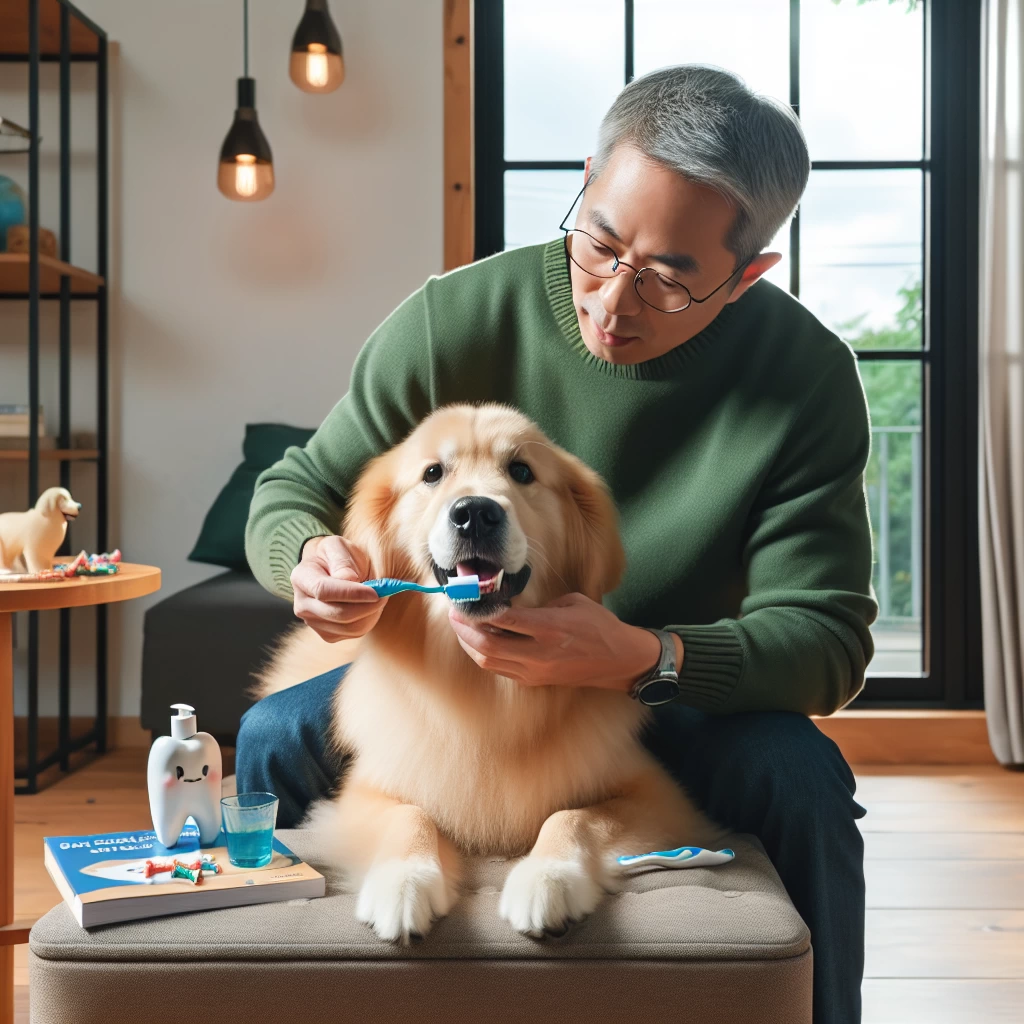
Brushing your pet’s teeth is one of the most effective ways to maintain dental hygiene. Use a toothbrush and toothpaste specifically designed for pets. Human toothpaste can be harmful to pets, so it’s essential to choose products made for their use. Aim to brush your pet’s teeth at least two to three times a week, if not daily.

  • Using Dental Gel

In addition to brushing, incorporating dental gel into your pet’s dental care routine can provide added benefits. Dental gel for pets can help reduce plaque buildup and freshen their breath. Simply apply it to your pet’s teeth and gums according to the instructions on the packaging. Regular use of dental gel can be a game-changer for their dental hygiene.

  • Alternatives to Brushing

If your pet is resistant to tooth brushing, there are several alternatives that can help keep their teeth clean.

  • Dental Chews and Treats

Dental chews and treats are specifically designed to promote dental health. They work by mechanically cleaning your pet’s teeth as they chew. Look for products that are approved by veterinary dental organizations for their effectiveness in reducing plaque and calculus buildup.

  • Dental Powder

Dental powder is another alternative that can enhance your pet’s dental hygiene. It can be sprinkled on their food or directly into their mouth. These powders typically contain active ingredients that can help break down plaque and tartar. Always consult your vet before starting any new dental care products to avoid any adverse reactions.

Importance of a Healthy Diet

A balanced diet plays a vital role in your pet’s dental health. Providing high-quality food helps keep their teeth strong. Some pet foods are specially formulated to promote dental hygiene, containing ingredients that help reduce plaque and tartar buildup. Avoid feeding your pet excessive sugary treats, which can lead to dental problems.

Raw Bones and chewing

Some pet owners may choose to give their dogs raw bones as a natural way to support dental hygiene. Chewing on raw bones can help scrape away plaque. However, it’s essential to supervise your pet while they chew, as broken pieces can cause choking or digestive blockages. Always consult your vet to ensure this practice is safe for your pet.

Water Additives

Water additives are products you can add to your pet’s drinking water to help maintain dental health. These solutions can help reduce plaque and freshen your pet’s breath with minimal effort. Be sure to choose a vet-approved product and follow the instructions carefully to ensure the best results.

Making tooth maintenance Fun

Dental hygiene does not have to be a chore for you or your pet. Incorporating dental care into your pet’s daily routine can be made fun. Engaging in positive reinforcement, like treating them with their favorite snack after a successful teeth-cleaning session, can encourage them to accept dental care more readily.

The Role of Professional

Even with regular at-home care, professional dental cleanings may still be necessary. Your veterinarian has the tools and expertise to perform deep cleanings that remove tartar and plaque that home care cannot address. Depending on your pet’s dental health, your vet may recommend professional cleaning once a year or more often.

  • Sedation and Anesthesia During Cleanings

Many pets require sedation or anesthesia for professional dental cleanings to ensure safety and comfort during the procedure. While there may be concerns regarding these methods, they are commonly used and deemed safe when performed by qualified professionals. Always consult with your vet about the risks and benefits of anesthesia for your pet’s dental work.

Post-Cleaning Care

After a professional dental cleaning, it’s important to maintain your pet’s dental health with the same diligence as before. This includes brushing their teeth regularly, using dental gel, and providing appropriate dental chews. Engaging in continued care will maximize the benefits of the professional cleaning.

Monitoring Your Pet’s Health

Monitoring your pet’s dental health is key in preventing future problems. Regularly assess their teeth and gums at home. Look for any signs of redness, swelling, or excessive tartar buildup, and schedule veterinary appointments promptly if any issues arise.

Educating Family Members

It is essential for all family members to understand the importance of your pet’s dental hygiene. Encourage everyone to participate in the dental care routine. By ensuring everyone is on the same page, you can create a consistent and supportive approach to your pet’s dental health. Developing a structured dental care schedule can help ensure that your pet’s dental needs are consistently met. Designate specific days for brushing, using dental gel, and administering dental treats. A written schedule can provide reminders and hold everyone accountable.

Publié le

Protéger son animal contre les tiques et les puces

Protéger son animal contre les tiques et les puces

Les tiques et les puces sont de véritables fléaux pour nos compagnons à quatre pattes. Elles ne se contentent pas d’être une source d’inconfort, mais constituent également des menaces sérieuses pour la santé de nos animaux. Il est donc crucial de comprendre quand et pourquoi il est essentiel de protéger son animal contre ces parasites.

Comprendre les tiques et les puces

Avant d’aborder les moyens de protection, il est important de comprendre ces parasites. Les puces sont de petits insectes qui se nourrissent du sang des animaux, tandis que les tiques, qui ressemblent à de petites araignées, attachent leur bouche à la peau de l’hôte pour se nourrir de son sang.

Le cycle de vie des puces

Les puces passent par plusieurs stades de développement : œuf, larve, nymphe et adulte. Ce cycle peut durer de quelques semaines à plusieurs mois selon les conditions environnementales. En été, les températures chaudes favorisent leur reproduction rapide, renforçant ainsi l’importance de la protection antipuce.

Les dangers liés aux tiques

Les tiques ne sont pas seulement gênantes; elles peuvent transmettre des maladies graves, comme la maladie de Lyme ou l’ehrlichiose, pouvant avoir des conséquences mortelles pour les animaux et même pour les humains. Leur mode de vie est souvent lié à des environnements boisés ou herbeux, où elles s’accrochent à un hôte pour se nourrir.

Quand commencer la protection ?

La protection contre les parasites doit commencer dès que votre animal commence à passer du temps à l’extérieur. Cela est particulièrement vrai lors des mois chauds, de printemps à automne, période durant laquelle les tiques et les puces sont les plus actives.

Les saisons et leur impact

En général, la période de prolifération des puces s’étend du printemps à l’automne. Les tiques, quant à elles, peuvent être actives tout au long de l’année si les conditions sont favorables. Il est donc conseillé de mettre en place une protection tout au long de l’année, même en hiver, dans les régions où les températures restent douces.

Comment protéger son animal ?

Il existe plusieurs méthodes pour protéger votre animal contre les tiques et les puces. En fonction de l’environnement et de la sensibilité de votre compagnon, vous pourrez choisir la méthode la plus adaptée.

  • Les produits antiparasitaires

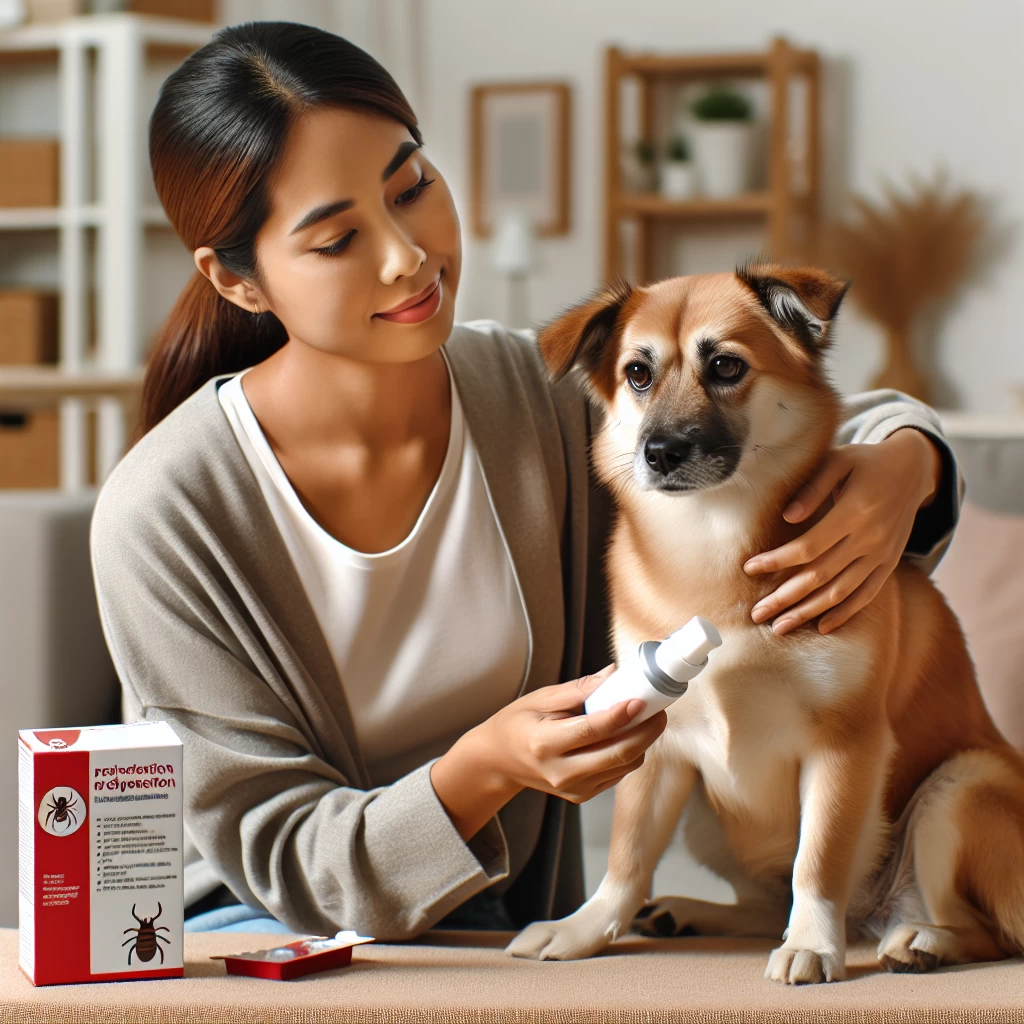
Les traitements antiparasitaires sont essentiels pour empêcher l’infestation. Ils se présentent sous différentes formes : pipettes, colliers antipuce, sprays et comprimés. Ces produits sont formulés pour tuer ou dissuader les puces et les tiques avant qu’elles ne s’accrochent à la peau de votre animal.

  • Méthodes de protection

Il existe plusieurs options pour protéger votre animal contre ces parasites, allant des traitements topiques aux comprimés oraux. Parmi les produits les plus efficaces sur le marché, on trouve l’Advantix, un antiparasitaire qui offre une protection contre les tiques et les puces.

  • L’importance de la pince à tique

En complément des traitements préventifs, il est important de toujours avoir une pince à tique à portée de main. En cas de morsure, il est crucial d’enlever la tique rapidement et correctement pour éviter la transmission de maladies. La pince à tique permet de retirer efficacement le parasite sans laisser de partie de son corps dans la peau de l’animal.

  • Surveiller l’animal

Surveiller régulièrement votre animal est un aspect essentiel pour détecter tout problème lié aux tiques et aux puces. Il est recommandé de vérifier son pelage, en particulier après des promenades en plein air, pour détecter la présence de ces parasites.

Les signes d’une infestation

Les signes d’une infestation de puces peuvent varier, mais les animaux infectés se grattent souvent, peuvent avoir des rougeurs sur la peau ou des pellicules. Les tiques peuvent être visible sur le corps de l’animal et sont généralement plus faciles à repérer sur les zones moins poilues.

Le rôle du vétérinaire

Un contrôle vétérinaire régulier est crucial pour le bien-être de votre animal. Le vétérinaire peut recommander le meilleur traitement antipuce et anti-tique en fonction de l’âge, du poids et de l’état de santé général de votre animal. N’hésitez pas à poser des questions sur les dangers spécifiques liés aux parasites dans votre région.

Prévention dans l’environnement

En plus de protéger directement votre animal, il est également important de prévenir l’infestation dans l’environnement. Les puces et les tiques peuvent également infester votre maison et votre jardin.

Entretenir son espace de vie

Un nettoyage régulier de l’habitat de votre animal est primordial pour éviter une infestation. Passez l’aspirateur fréquemment et laver la literie de votre animal à haute température. Cela permet d’éliminer les œufs et les larves de puces qui auraient pu s’installer.

Créer un environnement hostile pour les tiques

Dans votre jardin, gardez l’herbe tondue et retirez les feuilles mortes pour minimiser les zones où les tiques peuvent se cacher. Installez des barrières de gravier ou de paillis autour de votre espace de vie pour réduire leur prolifération.

Éducation et sensibilisation

Informer et sensibiliser est un aspect clé dans la lutte contre les parasites. Éduquez-vous ainsi que votre famille sur les dangers des tiques et des puces, et sur les meilleures pratiques de prévention. Partagez vos expériences avec d’autres propriétaires d’animaux. Discuter de vos méthodes et des produits que vous trouvez efficaces peut aider à sensibiliser et à en apprendre davantage sur la protection contre ces parasites. Ensemble, vous pouvez créer un environnement plus sûr pour vos animaux.

Publié le

Choosing the Right Type of Litter for Your Cat

Understanding Cat Litter Options

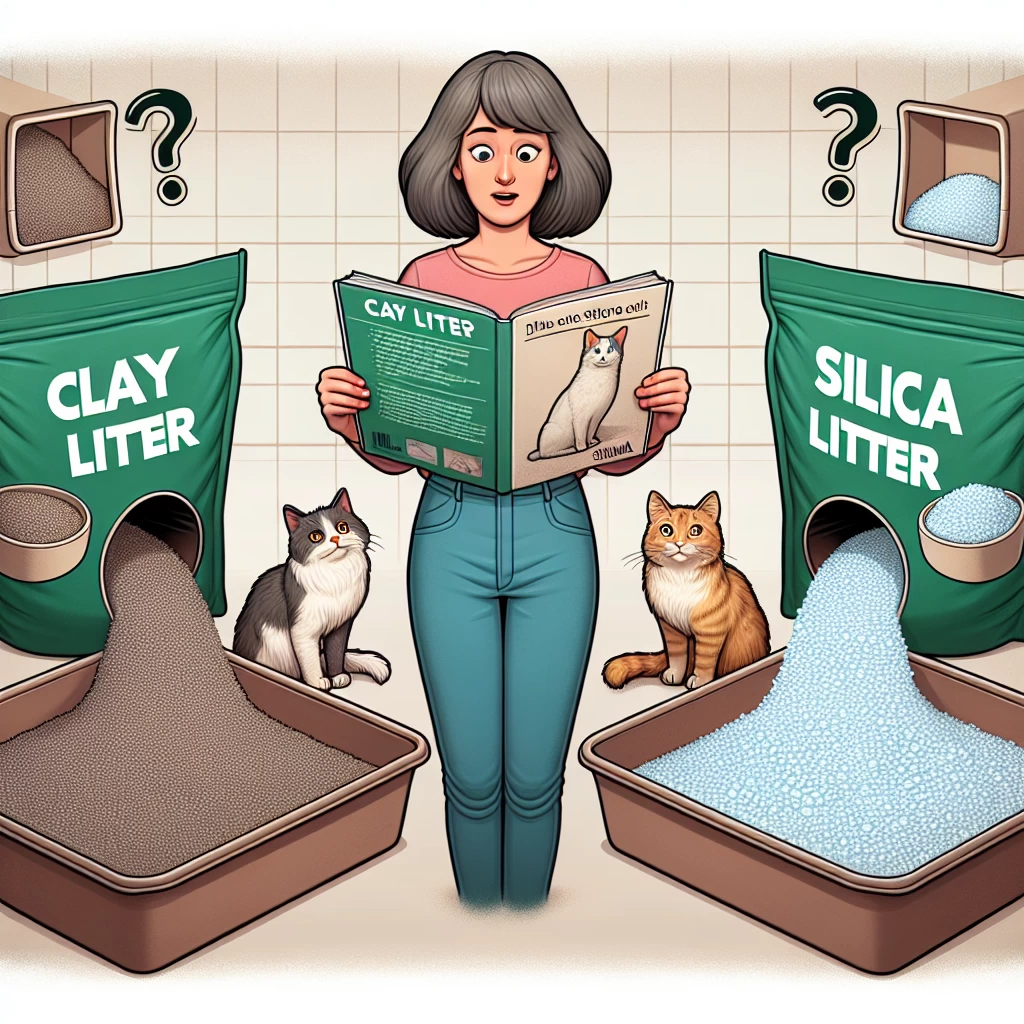
When it comes to cat litter box choices, two of the most popular types are clumping and silica. Each type has its unique advantages and disadvantages, making it essential for cat owners to understand their options before making a decision.

What is Clumping Litter?

Clumping Litter is a type of cat litter designed to form solid clumps when it comes into contact with moisture. This feature makes it relatively easy to clean the box, as you can simply scoop out the clumps and leave the rest intact. The clumping action also helps to control odors effectively.

  • Benefits of Clumping Litter

The primary benefit of clumping is its ease of use. Cat owners can maintain a cleaner box with less effort, as clumps can be removed frequently. Additionally, many clumping litters are made from natural materials such as clay, making them biodegradable and environmentally friendly.

  • Considerations for Clumping Litter

However, clumping is not without its downsides. Some cats may develop sensitivities to the dust created by certain brands of clumping litter. Moreover, if a cat accidentally ingests the litter, it may lead to gastrointestinal issues. Therefore, it’s crucial to observe your cat’s reaction.

What is Silica Litter?

Silica litter, on the other hand, is made from tiny silica crystals that absorb moisture. These crystals trap odors and moisture, allowing for extended use without the need for frequent changes. Unlike clumping, silica typically does not form clumps, but it can be less messy in terms of tracking.

Benefits of Silica

One of the significant benefits of silica is its odor control capabilities. The silica crystals absorb moisture and eliminate odors for longer periods, which can be especially beneficial in multi-cat households. Silica is also low in dust, making it a suitable choice for cats and owners with respiratory issues.

Considerations for Silica

Despite its advantages, silica litter can be more expensive than traditional clumping. Additionally, some cats may not prefer the texture of silica crystals, which can lead to reluctance when using the Cat litter box. It’s essential to transition your cat slowly if switching from clay to silica.

Comparing Clumping and Silica

Both clumping and silica serve the primary purpose of providing a place for cats to eliminate waste. However, the differences in texture, odor control, cleaning ease, and cost can influence your choice. Understanding these factors can help you find the litter that best suits your cat’s needs and your preferences.

  • Texture and Cat Preferences

Texture plays a significant role in the box experience for cats. Some cats prefer the soft, fine granules of clumping, while others may find the crunchiness of silica litter more comfortable. Cats are creatures of habit, and changing litter types should be approached carefully to avoid any box aversion.

  • Cost Analysis

Cost is another crucial factor to consider. Clumping litter is generally more affordable and can be found in most pet supply stores. While silica might have a higher initial cost, the longer lifespan due to its absorbent properties may justify the expense over time. It’s essential to evaluate your budget before choosing a type.

Environmental Considerations

As pet owners become more environmentally conscious, the impact of cat litter on the planet has gained attention. Clumping litters made from natural materials, such as corn or wheat, are typically more eco-friendly than traditional clay litters. Silica, while recyclable, is made from quartz, which raises concerns about its sustainability.

Biodegradability of Clumping Litter

Many brands of clumping litter are designed to be biodegradable. This means that they can break down naturally over time, making them a more responsible choice for environmentally-conscious cat owners. If you opt for clumping litter, look for brands that emphasize sustainability in their production practices.

Recycling Silica

While silica is not biodegradable, some brands offer recycling options. However, not all municipalities accept silica litter in recycling programs, which can limit its environmentally friendly reputation. Always check with your local recycling facilities to determine the appropriate disposal methods for your chosen one.

Special Considerations for Sensitive Cats

If your cat has sensitivities or allergies, you may need to pay extra attention when selecting. Clumping can create dust, which might trigger allergic reactions in some cats. Silica produces less dust, making it a better option for those with respiratory issues or sensitivities.

Transitioning to a New Type

When changing from one type of litter to another, gradual transition is crucial. Start by mixing the new one with the existing one, gradually increasing the proportion of the new one over several days. This slow transition helps your cat adjust to the new texture and reduces the likelihood of aversion.

Observing Your Cat’s Preferences

Monitor your cat during and after the transition period. Changes in behavior, such as refusing to use the box, could indicate dissatisfaction with the new litter type. Always pay attention to your cat’s preferences, as this will help ensure a pleasant box experience for both of you.

Reviewing Popular Brands and Their Features

There are various brands of both clumping and silica that cater to different preferences and needs. Researching these brands and reading reviews can provide valuable insights into which products may perform best for your cat.

Top Clumping Litter Brands

Some popular brands of clumping litter include Tidy Cats, Dr. Elsey’s, and Arm & Hammer. These brands offer a range of options, from natural to clumping that minimize dust and control odors. Each brand has unique features aimed at meeting the diverse needs of cat owners.

Top Silica Litter Brands

For silica, brands like PetFusion and PetSafe are commonly recommended for their high absorbency and long-lasting properties. Many silica litters also come with odor-neutralizing technology, making them a suitable choice for households with multiple pets. As a cat owner, choosing the right type of litter for your feline friend is an important decision. Both clumping and silica come with their own sets of benefits and drawbacks. By considering your cat’s preferences, your personal needs, and the environmental impact, you can select the best litter for your household.

Publié le

Choisir le bon bac à litière pour son chat

L’importance d’un bon bac à litière

Le choix d’un bac à litière adapté pour votre chat est essentiel pour son bien-être et sa santé. Un bac mal adapté peut entraîner des problèmes de propreté, de comportement et même des troubles de santé. Les bacs à litière doivent être choisis avec soin, en tenant compte des préférences de votre chat et de votre environnement.

Les différents types de bacs à litière

Il existe plusieurs types de bacs à litière sur le marché, chacun ayant ses propres caractéristiques. Voici un aperçu des options les plus courantes :

Bac ouvert

Le bac ouvert est l’option la plus classique. Il offre un accès facile et rapide pour votre chat, qui peut entrer et sortir sans contrainte. Cependant, ce type de bac peut entraîner des projections de litière à l’extérieur et des odeurs qui s’échappent plus facilement. Il est souvent recommandé pour les chats qui aiment avoir plus de liberté.

Bac fermé

Le bac fermé, quant à lui, offre une meilleure protection contre les odeurs et les projections. Il est équipé d’un couvercle, ce qui crée un espace plus intime pour le chat. Certains bacs fermés sont également dotés d’une entrée à bascule ou d’un trou, permettant à votre animal d’entrer facilement tout en réduisant l’évasion de la litière. Ce type de bac est idéal pour les foyers avec plusieurs animaux.

Bac à litière autonettoyant

Les bacs à litière autonettoyants sont une solution moderne qui facilite l’entretien. Grâce à un mécanisme de grattage ou une technologie à capteur, ces bacs nettoient la litière à intervalles réguliers. Bien que coûteux, ils peuvent offrir un gain de temps considérable pour les propriétaires de chats occupés. Il est important de choisir un modèle de bonne qualité pour garantir un fonctionnement fiable.

La taille du bac à litière

Un autre facteur crucial dans le choix du bac est sa taille. Le bac doit être suffisamment grand pour que le chat puisse s’y déplacer confortablement. En règle générale, le bac doit faire au moins une fois et demie la longueur du chat. Mesurer votre animal peut aider à choisir la bonne taille, surtout si vous avez un chat de grande race.

Matériaux et design du bac

Les bacs à litière sont fabriqués à partir de divers matériaux, généralement du plastique. Il est essentiel de choisir un bac solide et durable. De plus, le design du bac peut influencer l’acceptation du chat. Certains chats préfèrent des bacs avec des bords hauts pour creuser et jouer, tandis que d’autres peuvent être intimidés par cette contrainte.

Options de couleur et de style

Les bacs à litière sont disponibles dans une multitude de couleurs et de styles. Opter pour un design qui s’harmonise avec votre intérieur peut être un plus. En effet, un bac à litière en accord avec la décoration de votre maison peut rendre son emplacement plus acceptable, tant pour vous que pour vos invités.

Choix de la litière

Une fois que vous avez choisi le bon bac, il est crucial de sélectionner également la litière qui y sera utilisée. Les litières se déclinent en différents types, comme les litières agglomérantes, non agglomérantes, à base de bois, ou même en argile. Chaque type de litière présente des avantages et des inconvénients :

Litière agglomérante

La litière agglomérante est populaire pour sa capacité à former des amas solides lorsqu’elle est humide, ce qui facilite le nettoyage. Elle retient les odeurs, ce qui est un atout majeur pour les foyers avec plusieurs chats.

Litière non agglomérante

La litière non agglomérante est souvent plus économique, mais elle peut être moins efficace pour contrôler les odeurs. Elle absorbe les liquides, mais ne forme pas d’amas, ce qui peut rendre le nettoyage plus difficile.

Facteurs à considérer lors du choix

Le choix d’un bac à litière ne se limite pas simplement à son apparence et à sa taille. D’autres facteurs doivent également être pris en compte :

  • Accessibilité pour le chat

Pour un chat âgé ou un chaton, il est primordial de s’assurer que le bac est facilement accessible. Un bac avec un rebord très haut peut poser problème pour un animal qui a des difficultés à grimper.

  • Facilité de nettoyage

Un bac doit être facile à nettoyer. Recherchez des designs qui facilitent le retrait de la litière usagée et la remise à neuf. Un bac avec un revêtement lisse peut rendre le nettoyage plus rapide.

Position idéale du bac

La localisation du bac à litière est tout aussi cruciale. Il doit être placé dans un endroit calme et peu fréquenté, loin de la nourriture et de l’eau. Les chats aiment avoir leur intimité lorsqu’ils utilisent le bac. Évitez de le placer dans des zones de passage où des bruits soudains peuvent les effrayer.

Adaptation du chat à son nouvel environnement

Une fois que vous avez choisi et installé le bac, il est important de donner à votre chat le temps de s’habituer à ce nouveau dispositif. Certains chats peuvent être réticents à utiliser un nouveau bac ou une nouvelle litière. Pour les aider, vous pouvez les encourager avec des friandises ou en plaçant un peu de litière de l’ancien bac dans le nouveau.

Surveiller les préférences de son chat

Il est crucial d’observer le comportement de votre chat après l’installation de son nouveau bac. S’il évite le bac ou semble stressé, cela peut être le signe qu’il n’est pas à l’aise avec ce changement. N’hésitez pas à faire des ajustements, que ce soit au niveau du design du bac ou du type de litière utilisée.

Préparation en cas de problèmes

Parfois, malgré toutes les précautions prises, des problèmes peuvent survenir. Si votre chat commence à faire ses besoins en dehors de son bac, il est crucial de consulter un vétérinaire pour éliminer tout problème de santé sous-jacent. Parfois, un changement de litière ou de bac peut suffire à résoudre le problème.